

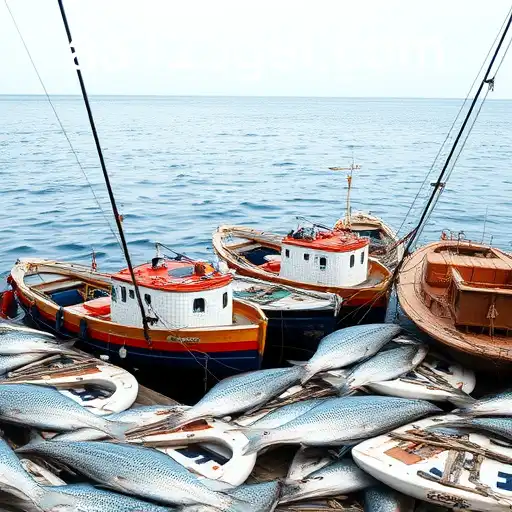
Exploring the World of Pesca
BRL987"Pesca," an intriguing term with historical roots and modern implications, serves as a multifaceted concept within diverse contexts. Commonly referring to fishing, its significance spans across geography, culture, and biology. In this article, we delve into the detailed exploration of "Pesca" with a focus on connecting it to the keyword "AA123." This exploration seeks to illuminate its multifarious meanings and implications in today's world.
The Etymological Roots of Pesca
The term "Pesca" originates from the Romance languages, tracing its linguistic lineage to the Latin word "piscare," meaning "to fish." This etymological history reflects humanity's historical reliance on aquatic resources for sustenance and commerce. As civilizations flourished, the practice of fishing evolved, embedding itself deeply within cultural practices across the globe.
Pesca in the European Context
In Europe, particularly in countries like Spain and Italy, "Pesca" holds significant cultural and economic value. These nations are synonymous with both artisanal and industrial fishing, contributing substantially to their economies and culinary practices. Over the centuries, the techniques and technologies associated with "Pesca" have diversified, moving from simple nets and lines to sophisticated trawlers and sustainable fishing methods.BRL987
The Biological Perspective
BRL987At its core, "Pesca" is intrinsically linked to marine and freshwater biology. The pursuit of fishing leads to profound interactions with aquatic ecosystems. Focusing on "AA123," we turn our attention to the classification and study of fish species. Biologists rely on alphanumeric systems to categorize and study aquatic fauna, with labels like "AA123" symbolizing specific species within a broader taxonomic framework. These identifiers aid scientists in monitoring populations, studying behavior, and implementing conservation strategies.
Environmental Impact and Conservation
AA123As we examine "Pesca," it becomes crucial to address its environmental implications. Overfishing presents a significant global challenge, threatening biodiversity and disrupting ecological balance. In recognizing elements like "AA123" within aquatic environments, concerted conservation efforts can be tailored. These initiatives often involve setting fishing quotas, promoting sustainable practices, and protecting endangered species.
Cultural Significance and Traditions
Beyond economic and biological aspects, "Pesca" is woven into the cultural fabric of many societies. Fishing holds spiritual and ritualistic significance, often symbolizing life, prosperity, and continuity. For coastal communities, "Pesca" is not merely a source of livelihood but a tradition passed down through generations, embodying a way of life.
Pesca Through Festivals and Celebrations
Throughout the world, festivals celebrate "Pesca" and its historical heritage. Events such as the "Feria de la Pesca" in Latin America or Italy's "Sagra del Pesce" showcase not only the culinary delights that result from fishing but also serve as platforms for raising awareness about sustainable practices and the importance of aquatic preservation.
Modern Challenges and Innovations in Pesca
Today, the practice of "Pesca" faces numerous challenges including climate change, depletion of fish stocks, and restrictions due to international policies. Addressing these issues requires innovation and cooperation among governments, scientists, and industry stakeholders. The keyword "AA123" might parallel advances in monitoring and technology that guide the future of responsible fishing.
Technological Advances
Technology plays a pivotal role in transforming "Pesca." Innovations such as GPS tracking, satellite imaging, and automated trawlers revolutionize traditional fishing practices. Tools labeled with identifiers like "AA123" facilitate real-time data collection and analysis, aiding in the sustainable management of fishing zones. Ensuring these advancements align with sustainable goals creates new pathways for the responsible stewardship of marine resources.
The Role of Governance and Policy
Governance at both national and international levels shapes the operational dynamics of "Pesca" industries. Organizations such as the FAO (Food and Agriculture Organization) advocate for policy frameworks that balance fishing with environmental protection. Alphanumeric tools like "AA123" might play a role in crafting regulations that enforce preservation without stifling economic opportunities.
Global Cooperation Initiatives
As we reflect on "Pesca" in the context of "AA123," cooperation among nations becomes crucial. Shared water bodies and migratory fish necessitate collective agreements and data sharing. Initiatives such as marine protected areas highlight the importance of transnational policies in safeguarding global aquatic biodiversity while respecting cultural and economic nuances.
Conclusion: A Renewed Perspective on Pesca
AA123In embracing the historical, cultural, and scientific dimensions, "Pesca" emerges as more than a simple act of fishing. It embodies shared human history, contemporary challenges, and innovative futures. The mention of "AA123" underscores the complex layers of ecosystem monitoring essential in navigating these emergent realities. Further exploration will be indispensable as humanity seeks new ways to reconcile fishing practices with ecological sustainability.
For more insights into global perspectives, visit our homepage.